How to Identify Hazardous Trees in Little Rock
When walking through the serene parks or leafy neighborhoods of Little Rock, it is easy to be captivated by the natural beauty. Yet hidden among the towering oaks and lush pines may lurk potential dangers. Identifying hazardous trees can save landscapes, protect property, and even save lives. Recognizing tree hazard signs is often overlooked; however, it is essential for homeowners and nature lovers. This skill enables proactive action before disaster strikes. Severe weather conditions in Little Rock weaken branches and roots, therefore increasing risk. That is why routine tree risk assessments are indispensable. From spotting dead branches to recognizing tree disease, knowing these risks equips you to act responsibly. For more guidance on tree safety, explore our safe tree removal tips.
Common Tree Hazard Signs in Little Rock
Walking through neighborhoods or parks, you may see clear signs that suggest danger. Cracked bark often signals structural weakness where branches or trunks could fail. Fungal growths at the base or trunk show internal decay and compromised strength. Dead limbs hanging overhead threaten pedestrians and nearby property, especially during strong winds. Moreover, leaning trees after storms need immediate attention. Cavities or hollows in the trunk expand over time and undermine stability. In addition, insect infestations leave exit holes or sawdust-like frass, showing the tree is under attack. Learning how to identify hazardous trees in Little Rock also involves checking soil around roots for mounds or depressions. Prioritizing these signs encourages professional inspections before serious accidents.
- Cracked or splitting bark
- Fungal growth at trunk base
- Dead or broken limbs
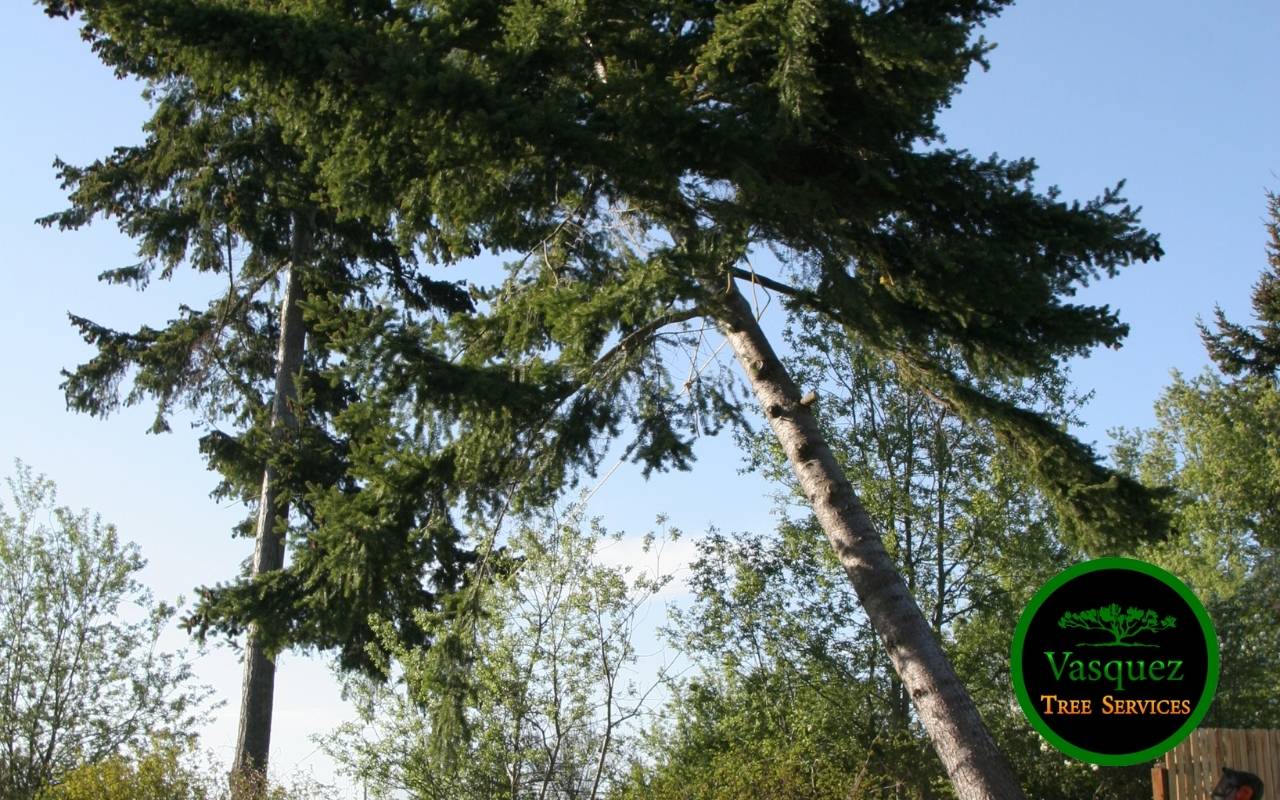
- Leaning or uprooting trees
- Soil movement near roots
Importance of Routine Tree Risk Assessments
Regular inspections are vital for both residential and public areas. Certified arborists use systematic methods to evaluate a tree’s health, structure, and environment. They check for stress, disease, or defects. These evaluations support safety and preserve aesthetics. Moreover, assessment reports help with insurance claims after storm damage. Proactive detection of root decay or branch dieback allows pruning instead of full removal. Including risk assessment in property maintenance supports long-term planning. Ultimately, by knowing risks, resources and budgets can be allocated wisely. Learn more about planning removals by visiting our tree removal service page.
Impact of Severe Weather Conditions on Tree Hazards
Severe weather plays a major role in creating hazardous trees. Strong winds shear branches, cause fractures, and uproot shallow-rooted trees. Heavy rains saturate soil, reducing anchorage. Furthermore, drought weakens trees, cracks bark, and makes them vulnerable to pests. Preventive assessments before and after storms help identify weaknesses. For example, a tree stable last summer may now lean after heavy rains. Early detection allows pruning, root aeration, or bracing to prevent failure. Recognizing weather risks empowers property owners to act quickly and protect lives and structures.
- High winds causing fractures
- Heavy rains saturating soil
- Drought weakening structure
- Storms exposing root damage
Identifying Dead Branches and Limbs
Detecting dead limbs is crucial when learning how to identify hazardous trees in Little Rock. Deadwood lacks strength and breaks easily. Scan canopies for brittle wood or missing leaves. Use binoculars to inspect higher branches safely. Areas where buds fail to sprout signal problems. Removing dead limbs prevents risks and allows healthier growth. For emergency concerns, review our emergency tree removal guide.
Recognizing Signs of Tree Diseases
Disease weakens trees even when foliage looks healthy. Oak wilt, anthracnose, and root rot are common in Little Rock. Early signs include leaf discoloration, early drop, and cankers on bark. Fungal fruiting bodies like bracket fungi reveal advanced decay. In addition, bacterial diseases may ooze sap, attracting pests. Professional testing identifies pathogens and provides treatment. Fungicide or selective pruning can halt spread. Timely action preserves health and avoids full removal later.
Understanding Tree Root Issues
Roots anchor trees and supply water and nutrients. In Little Rock’s clay soil, shallow roots are common. Root rot from waterlogged soil causes soft roots and mushrooms at the base. Girdling roots choke trunks and cause weakness. Signs of stress include canopy thinning and leaning. Inspect the root flare for decay. Soil compaction reduces oxygen, but mulching or aeration can help. Arborists recommend solutions like root pruning or structural support when issues appear.
Removing a tree requires knowledge of permits. The Tree Protection Ordinance regulates trees over eight inches in diameter. Applications need details about species, size, and condition. Documentation such as assessment reports speeds approval. Emergency removals may be exempt; however, notice must still be given. Ignoring permits can result in fines or replanting requirements. Reviewing the city’s application portal ensures compliance. For guidance on safe removal, check our guide on when to cut down a tree.
Safety Measures During Tree Removal
Tree removal safety is non-negotiable. PPE such as helmets, gloves, and chaps is essential. A clear drop zone prevents accidents. Proper rigging directs large limb removal. Arborists use precise felling cuts for control. Communication among crew members avoids mistakes. Moreover, utility lines must be located before work begins. Following standards and regulations protects workers, property, and landscapes. Explore more safety advice in our tree service selection guide.
- Wear personal protective equipment
- Establish clear drop zones
- Use safe rigging and felling cuts
- Communicate with team members
Preserving the Natural Beauty: Tree Conservation Tips
Conservation keeps Little Rock’s canopy thriving. Deep, infrequent watering builds strong roots. Mulching conserves water, regulates soil, and prevents weeds. However, avoid piling mulch against trunks. Prune crowded branches for airflow. Plant native species that adapt to local soils. Integrated pest management reduces chemical use and encourages balance. Combining these methods maintains health, safety, and beauty.
FAQs
How do I know if a tree is hazardous?
Look for dead limbs, fungal growth, cavities, leaning, or soil changes near the roots.
When should I call a professional arborist?
Contact an arborist when you notice structural weakness, disease signs, or after severe weather events.
Do I always need a permit to remove a tree?
Yes, most trees over a certain diameter require a removal permit in Little Rock.
Can hazardous trees be treated instead of removed?
Yes, pruning, cabling, or disease treatments may save trees if issues are caught early.
How to identify hazardous trees in Little Rock after storms?
Check for leaning trunks, broken branches, root plate upheaval, and cracks in bark or soil.
The Significance of Identifying and Addressing Hazardous Trees
Knowing how to identify hazardous trees in Little Rock depends on vigilance and professional help. Routine assessments and understanding permits support safe landscapes. By acting on threats early—whether from disease, deadwood, or root problems—you protect property and nature. Ultimately, conservation ensures Little Rock’s beauty lasts for generations. For expert help, reach us through our contact page.



Trim Your Trees for Optimal Growth and Health