
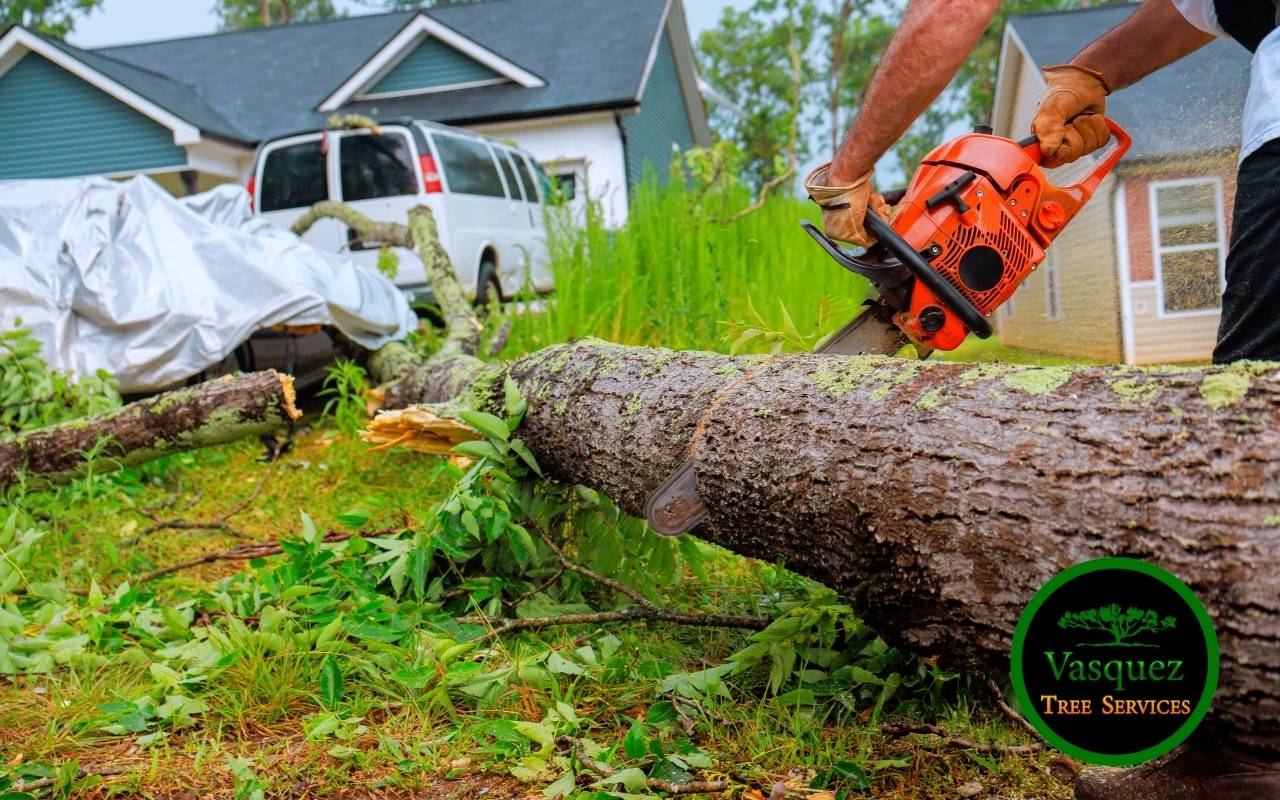
Safe Tree Removal Methods: Expert Tips for a Hazard-Free Cleanup
Each year, many homeowners face the risk of hazardous trees threatening their homes and safety. The process can feel overwhelming without guidance. Understanding safe tree removal methods helps you maintain your landscape and keep your property secure. Picture yourself staring at a tall oak swaying dangerously over your roof. That uneasy feeling is common. Thankfully, with expert advice, you can handle this situation calmly and safely.
In this guide, you’ll discover professional strategies to make tree removal simple and risk-free. You’ll learn how to evaluate danger, prepare properly, and use effective techniques. Whether you’re managing storm damage or routine care, these tips empower you to make smart decisions using the right tools and planning.
Assessing Tree Hazards: Identifying Signs of Tree Instability
The first step in safe tree removal methods is assessing risks carefully. Begin by inspecting the trunk and limbs for cracks or decay. Fungal growth at the base may indicate internal rot. Watch for trees leaning over five degrees—they might fall suddenly. Examine the roots for damage, heaving soil, or exposed sections.
Next, look up. Sparse foliage or dead branches often mean instability. Uneven weight distribution in the canopy could shift the tree’s balance. Take notes and classify risks as low, medium, or high. For high-risk trees near structures or power lines, seek professional help. Spotting these signs early lets you plan rather than react to emergencies.
Planning for Safe Tree Removal: Preparation Before Work Begins
Planning is the foundation of all safe tree removal methods. Secure required permits first. Then inform your neighbors about possible noise or debris. Set up two escape routes in case the tree falls unexpectedly. Always check the weather forecast to avoid risky conditions.
- Establish a clear safety perimeter using cones or tape.
- Keep pets, vehicles, and bystanders far from the work zone.
- Contact your utility provider if power lines are nearby.
- Prepare drop zones for branches and debris.
- Review emergency actions and keep first aid accessible.
Proper planning minimizes danger and helps you execute every step with precision. For more preparation advice, visit tree trimming safety equipment.
Essential Safety Gear: Protecting Yourself During Tree Removal
Personal protective equipment is vital. A climbing helmet prevents head injuries. Safety glasses shield your eyes from debris. Gloves protect your hands from rope burns and cuts. Chainsaw chaps guard your legs, while steel-toed boots give stability. Always wear hearing protection when using loud tools.
When working on tall trees, use a secure harness with strong ropes and carabiners. Inspect every piece of equipment before use. By following these safety steps, you reduce risks and comply with regulations. To learn about professional protection, explore tree trimming in Little Rock AR.
Choosing the Right Tools: Equipment for Efficient Work
Using the right equipment supports safe tree removal methods. Select a chainsaw with a proper bar length and chain brake. Extendable pole saws help you reach high limbs. Manual pruners and loppers allow precision cutting for smaller branches.
- Use sharp blades to make clean, smooth cuts.
- Employ ropes and rigging tools for controlled lowering.
- Check chain tension and handle integrity before cutting.
- Keep tools clean and lubricated after every task.
High-quality tools enhance both safety and efficiency. For more about specialized gear, review safe tree removal practices in Little Rock.
Proper Cutting Techniques: Precision and Control
Precision defines safe tree removal methods. Start with a notch cut on the side facing your intended fall direction. Create a back cut slightly above the notch’s base, leaving a hinge to control the fall. For branches, use the three-cut method: an undercut, a top cut, and a final cut at the collar. This technique prevents bark tearing and promotes clean healing.
Maintain a balanced stance and keep your saw near waist level. Avoid cutting overhead or stretching. Practicing proper technique improves control and minimizes accidents.
Dealing with Large Branches: Handling Heavy Limbs Safely
Large limbs require patience and planning. Instead of letting branches drop, use rope rigging for controlled descent. Clear the drop zone completely and stay out of the branch’s path. Cut massive limbs into smaller pieces before lowering them.
- Trim small branches first to reduce weight.
- Cut sections into 2–3 foot pieces.
- Work with a partner for stability and control.
Controlled lowering avoids property damage and reduces personal strain. Partner coordination also ensures clear communication during each move.
Preventing Property Damage: Guiding Tree Falls Correctly
Directing a tree’s fall properly prevents damage to nearby areas. Clear the landing zone and choose safe escape paths. Cut a notch on the side facing your target direction. Use wedges to guide the fall and avoid backward motion.
In confined spaces, remove the tree in sections instead of all at once. Lower each piece carefully using ropes. This technique takes more time but greatly increases safety. When unsure, contact professionals for support. Learn more safety-focused methods at contact our tree service experts.
Disposal and Cleanup: Finishing the Job Efficiently
After cutting, organize cleanup efficiently. Stack logs for later use, and feed small branches into a chipper for mulch. If that’s unavailable, prepare neat piles for pickup. Rent dumpsters for heavy waste when needed. Always inspect your yard afterward to remove nails or broken tools. A tidy site prevents accidents and restores the landscape’s beauty.
FAQs About Tree Removal Safety
How can I tell if my tree is unstable?
Look for leaning trunks, cracks, or decaying roots. Sparse foliage also signals instability.
Is it safe to remove a tree without professionals?
Small trees may be safe for DIY removal, but large or leaning ones require trained experts.
What tools should I use for small branches?
Bypass pruners and long-handled loppers offer control for small and medium branches.
When should I schedule tree removal?
Plan removal during calm, dry weather. Avoid windy or rainy days to stay safe.
What should I do with the wood after removal?
Recycle, compost, or repurpose logs for firewood or woodworking projects.
Mastering Safe Tree Removal for a Hazard-Free Environment
Safe tree removal methods combine good planning, reliable tools, and precise techniques. By evaluating hazards and following safety guidelines, you protect both your home and your well-being. With these expert insights, you can manage any tree project confidently and effectively. To discuss your needs directly, reach out through contact our professional arborists today.



Trim Your Trees for Optimal Growth and Health