
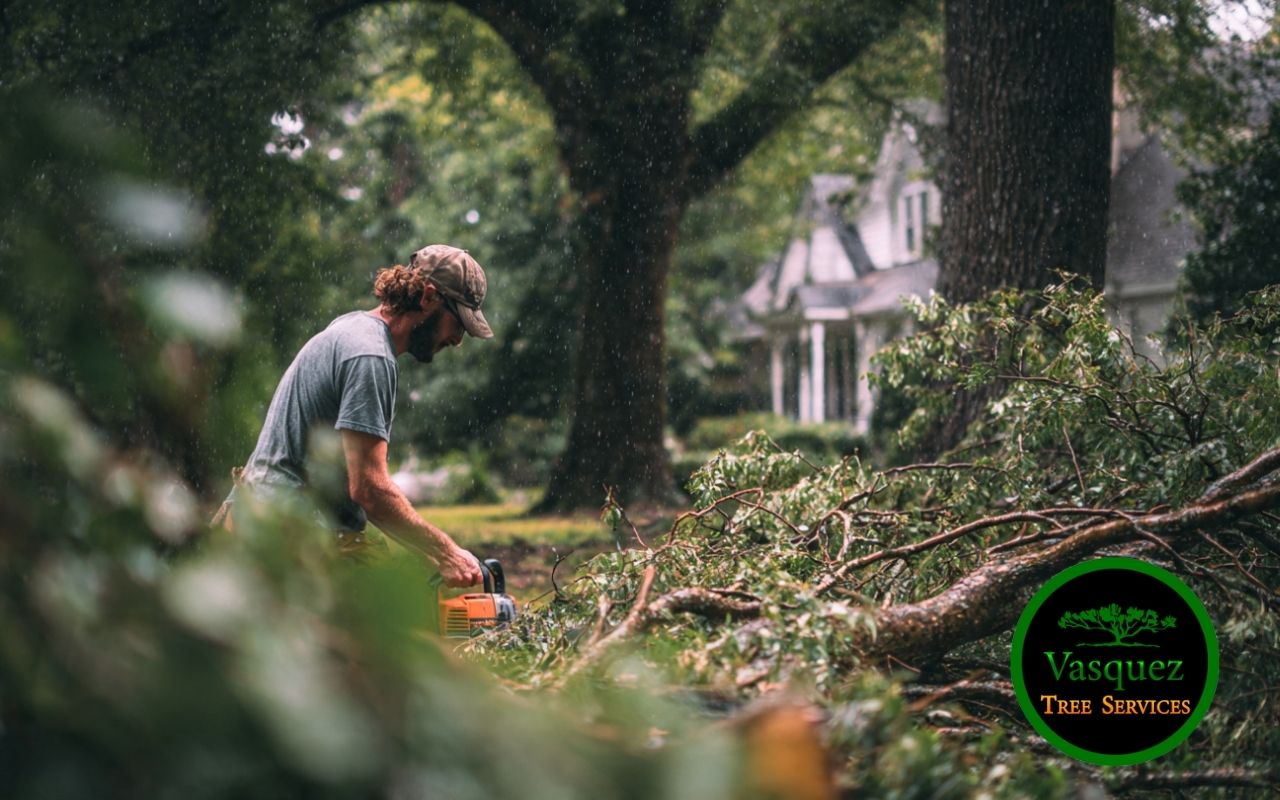
Protect Your Trees: Storm Season Tree Preparation in Little Rock
Prepare for the unexpected. When storm season rolls around in Little Rock, many of us secure our homes and protect our families. However, we often forget the trees around us. These giants bring shade and beauty, yet they can also become a risk in rough weather. That is why storm season tree preparation in Little Rock matters.
With the right steps, you can protect your yard and reduce damage. Proper trimming, pre storm pruning, and support options like cabling and bracing can improve stability. Just as important, having an emergency plan helps protect your property and your trees. Storm season tree preparation in Little Rock starts with small actions that add real safety.
Why Storm Season Tree Preparation Matters
Trees are living structures, so they can suffer from high winds, heavy rain, and lightning. During storm season, weak trees may drop limbs, lean, or fall. As a result, they can damage roofs, cars, and utility lines. Storm season tree preparation in Little Rock is not a one-time job. Instead, it is steady care that supports each tree’s strength.
Well-kept trees also bring daily benefits. For example, they can handle gusts better, reduce branch breakage, and help limit soil loss around roots. When neighbors keep up with regular care, the whole block becomes safer. Therefore, early work now can prevent costly cleanup later.
Check Tree Health and Spot Risks Early
Inspect your trees at least once each season. Start by looking for dead wood, soft spots, cracks, or wounds on the trunk. Also watch for fungi near the base and for branches that hang over your roof. These signs can point to hidden weakness. In many cases, storm season tree preparation in Little Rock begins with a simple walk-through.
- Dead or hanging limbs in the canopy
- Fungal growth at the base or on damaged areas
- Cracks, splits, or deep bark wounds
- Leaning trunks, exposed roots, or loose soil
- Branches rubbing together or touching structures
If you notice major issues, bring in a qualified tree professional. They can evaluate canopy weight, soil conditions, and tree structure. From there, you can decide whether trimming, support systems, or removal is the safest next step. For warning signs that may require quick action, review how to identify hazardous trees in Little Rock.
Wind Resistance Tree Trimming That Helps Before Storms
Wind resistance Tree Trimming focuses on removing weak growth and improving airflow through the canopy. First, use clean, sharp tools to limit damage and help cuts close well. Next, remove dead, broken, or rubbing limbs. Then, thin dense areas so wind can pass through instead of pushing against the tree.
- Remove dead, damaged, or rubbing branches
- Thin crowded areas to reduce the “sail effect”
- Keep the canopy balanced for steadier weight
- Make cuts just outside the branch collar
When you want a deeper look at safe trimming support and what to expect, explore tree trimming services in Little Rock. Consistent care improves stability and supports healthier growth over time.
Pre Storm Pruning That Reduces Breakage Risk
Pre storm pruning works best when done weeks before severe weather, not the day before. Focus on removing limbs that point toward roofs, driveways, and power lines. Also thin crowded sections to reduce wind pressure. Because of that, your tree is less likely to snap or uproot during strong gusts.
- Trim branches aimed at structures, fences, and walkways
- Reduce heavy ends on long limbs
- Thin crowded sections to improve airflow
- Limit live canopy removal to about 25% per season
At the same time, avoid over-pruning. Too many cuts can stress a tree and lead to weak new growth. Instead, keep pruning controlled and targeted so the tree stays healthy while becoming more stable.
Cabling and Bracing for Weak Limbs and Split Trunks
Cabling and bracing can protect trees with heavy limbs or multiple trunks that may split. Cabling uses flexible steel cables to limit limb movement in strong winds. Bracing uses a rigid rod to support weak areas where the trunk could separate. Together, these tools help reduce storm damage while keeping mature trees standing.
- Support co-dominant stems that may split
- Stabilize heavy limbs over high-risk areas
- Reduce motion stress during high wind events
- Extend the life of older or historic trees
Because hardware must be installed correctly, work with a qualified arborist who follows industry standards. Also plan periodic inspections so the system continues to fit the tree as it grows.
Emergency Tree Service Plan for Storm Days
Even with strong preparation, storms can still cause damage. Therefore, an emergency tree service plan helps you act fast and stay calm. Keep key phone numbers handy, decide who will do what in your household, and set simple safety rules. If you ever need urgent help after damage, use emergency tree removal services in Little Rock to respond quickly and safely.
- Save contact details for tree pros and utility providers
- Define who checks damage and who keeps others away
- Store gloves, eye protection, and basic safety gear
- Mark safe zones away from hanging limbs and lines
Most importantly, never approach downed power lines or unstable trees. Instead, secure the area and call professionals who can handle the risk.
Frequently Asked Questions
When should I start storm season tree preparation in Little Rock?
Start several weeks before storm season peaks. That way, pruning cuts can settle and you have time to schedule support work if needed.
What are the top signs a tree may fail in a storm?
Look for dead limbs, trunk cracks, fungal growth, exposed roots, or a sudden lean. Also watch for limbs that hang over roofs or driveways.
How does wind resistance Tree Trimming reduce storm damage?
It removes weak limbs and thins dense areas, so wind can pass through the canopy. As a result, there is less pressure on branches and the trunk.
Is pre storm pruning safe for every tree?
It is helpful for many trees, but it should be controlled. Avoid removing too much live canopy, and get guidance if the tree is already stressed or diseased.
What should be included in an emergency tree service plan?
Include trusted contacts, safety steps, a simple role list for your household, and clear rules for avoiding hazards like hanging limbs and downed lines.
Secure Your Greenery for a Safer Tomorrow
Acting now protects your home, your family, and your neighborhood. When you inspect tree health, improve structure, and plan ahead, you reduce storm risks. Storm season tree preparation in Little Rock is a practical habit that pays off when the weather turns.
For help building a plan or scheduling a visit with Vasquez Tree Service, reach out through the Vasquez Tree Service contact page. With steady care today, you can enjoy healthier trees and more peace of mind tomorrow.



Trim Your Trees for Optimal Growth and Health