
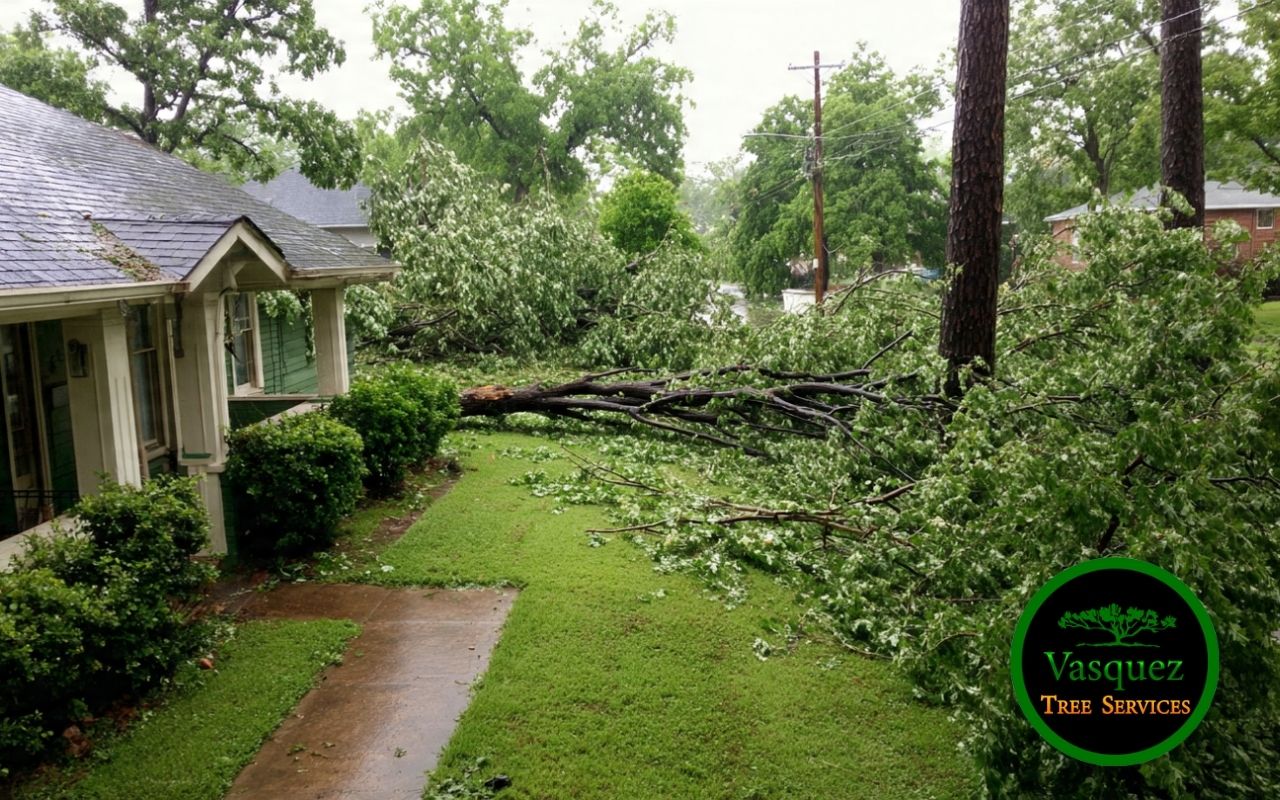
Deal with Emergency Tree Removal in Little Rock with Confidence
Emergency Tree Removal in Little Rock is easier when you know what to do right away. A fallen tree can feel shocking and stressful, whether it follows a strong storm or an old, hazardous tree finally gives way.
However, quick action and simple planning keep everyone safe. In a city with unpredictable weather, you must know how to assess damage, request storm damage removal, manage insurance claim photos, and arrange crane service when needed. With clear steps and weekend service options, you can protect your home and family.
Assessing the Emergency Tree Situation
When you first see a downed or damaged tree, focus on safety before anything else. Stay back and slowly scan the area for loose branches, leaning trunks, or exposed roots that may shift. Take clear insurance claim photos right away to record every angle of the damage for future storm damage removal costs.
Next, avoid touching or moving any part of the tree until you understand all possible risks. Look for power lines, hanging limbs, or debris that might suddenly fall. Then review nearby structures, fences, or vehicles for cracks or dents. Simple notes about the tree’s size and species help professionals plan safe work.
- Check the area from a safe distance.
- Look for leaning trunks and hanging branches.
- Take multiple insurance claim photos.
- Note damage to roofs, fences, or vehicles.
- Stay away from any downed power lines.
By completing this careful first review, you streamline the rest of the Emergency Tree Removal in Little Rock process and reduce surprises once experts arrive.
Contacting Professional Tree Removal Services
After your initial check, start searching for local companies that specialize in Emergency Tree Removal in Little Rock. Look for crews that clearly advertise storm damage removal, crane service, and weekend service, since emergencies rarely happen during regular office hours. Online reviews and neighbor referrals help you find tree experts you can trust.
Before booking, ask for on-site estimates so you can compare response times and services. Confirm that each company is licensed, insured, and experienced with hazardous trees. Also, request written details of what their cleanup includes, such as stump grinding or hauling debris away.
- Ask about 24/7 or weekend service availability.
- Confirm crane service access for large or hard-to-reach trees.
- Verify proof of insurance and safety training.
- Request a clear timeline for arrival and completion.
- Clarify who handles debris removal and hauling.
For fast, local help, explore a dedicated emergency tree removal team page to learn how crews respond during urgent situations.
Once you compare options, choose the company that explains its plan clearly and respects your concerns. This careful choice ensures your urgent situation is handled safely and calmly.
Understanding Insurance Coverage for Tree Emergencies
Before any heavy work begins, review your homeowner’s insurance policy. Many policies cover damage from fallen trees after storms, strong winds, or lightning. Carefully taken and time-stamped insurance claim photos are vital. They show how the tree affected your roof, yard, and surrounding areas.
When you speak with your insurance agent, describe what happened step by step. Explain how and when the tree fell, what it damaged, and whether anyone was hurt. Ask about your deductible, coverage limits, and which documents they need, including invoices or permits for emergency work.
Some insurers require detailed reports from your tree company. Therefore, store all estimates, permits, and final invoices in one place. This preparation helps you avoid delays in storm damage removal reimbursement, making your Emergency Tree Removal in Little Rock experience less stressful.
Obtaining Necessary Permits for Tree Removal
Many cities, including Little Rock, require permits for removing certain trees, especially large ones in public view or protected species. So, visit your city’s planning or forestry department website, or call their office, to confirm the rules. Be ready to describe the tree’s size, exact location, and any safety concerns.
Next, submit your permit request as soon as you can, particularly when a hazardous tree threatens property or people. Attach insurance claim photos and any written assessments from professionals. Some local authorities offer fast-track approvals for real emergencies, which helps your crew begin work quickly.
Finally, keep a copy of any permit at the job site. If an inspector stops by, you can show permission on the spot and keep the project moving.
Ensuring Safety Measures During Emergency Tree Removal
Professional crews follow strict safety routines when dealing with hazardous trees. Typically, they wear hard hats, safety glasses, gloves, and steel-toed boots. They also block off the work zone with cones or tape so neighbors and family members stay at a safe distance during cuts and crane service work.
Before cutting begins, ask the crew to explain their basic plan. They should cover where they will place the crane, how they will control traffic, and how debris will be lowered. Proper rigging, clear escape routes, and steady communication with hand signals or radios all reduce risk.
As the property owner, you can watch from a distance and speak up if something seems unsafe. These simple checks help ensure a smooth, accident-free Emergency Tree Removal in Little Rock.
Salvaging and Repurposing Wood from Removed Trees
Once the tree is safely down, you can decide what to do with the wood. Instead of sending everything to a landfill, consider ways to reuse it. Larger trunk pieces can be milled into planks for furniture or outdoor benches, while smaller branches work well as firewood or mulch.
Ask your tree service if they offer wood-salvaging or chipping options. For a more sustainable choice, contact a local sawmill to cut the logs into boards. You might also donate extra firewood to community groups or neighbors who rely on it for winter heat. This way, the fallen tree finds a second life.
Post-Removal Yard Cleanup and Restoration
After the main work ends, your yard may look rough. So, start by gathering leftover branches, twigs, and sawdust. Rake the area, remove wood chips as needed, and fill any holes left by roots. If the soil feels compacted, consider aerating it to help new grass or plants grow.
Next, add topsoil and compost to restore lost nutrients. Choose grass seed or sod that suits Little Rock’s climate, and water new plantings regularly. For a natural feel, add shrubs or native ground cover around the cleared space. With patient care, your yard can look even better than before the storm damage removal.
Preventative Measures for Future Tree Emergencies
To reduce future risk, you need ongoing tree care. Schedule yearly inspections with a certified arborist who can spot weak branches, early disease, or signs of unstable roots. Regular pruning lowers wind resistance and makes branches less likely to snap during strong storms.
- Plan annual checkups with a trusted arborist.
- Trim dead, cracked, or crossing branches.
- Remove clearly hazardous trees before they fall.
- Plant new trees away from roofs and power lines.
- Keep gutters and drains clear before storm season.
Also, think carefully about where you plant new trees. Choose species known for strong wood and deep roots. Place them away from buildings, driveways, and overhead wires. These small choices now can prevent major emergencies later.
Coordinating with Local Authorities and Utility Companies
If a fallen tree touches streets, sidewalks, or power lines, call your local utility company immediately. Never try to move branches near live wires. Only trained crews should handle these hazardous trees after confirming lines are safe or turned off.
Then, notify your city’s public works or parks department if the tree blocks a public right-of-way. They may help with storm damage removal or guide you through city rules. Clear, early communication with authorities reduces confusion and protects you from extra liability.
When your situation involves both your property and public areas, ask your tree company how they coordinate with city teams. A shared plan speeds up the entire response.
Frequently Asked Questions
How soon should I call a tree service after a storm?
Call as soon as you notice damage, especially if a tree leans, has hanging limbs, or touches power lines. Early contact helps you secure a safe time slot, arrange weekend service if needed, and start documenting the issue for insurance purposes.
What information will a tree company need from me?
Typically, they ask for photos, the tree’s approximate size, its location on your property, and any visible hazards. Mention if you suspect root damage, roof impact, or contact with utilities. This information helps them decide whether they must bring crane service or extra crew members.
Are emergency tree removals always covered by insurance?
Not always. Coverage depends on your policy and how the damage happened. Many plans include storm-related events but exclude healthy trees that simply fall into the yard without causing damage. Always review your policy and speak with your agent before assuming full coverage.
Can I handle small branches myself?
You may safely remove small, loose branches on the ground if they are far from power lines and structures. However, avoid cutting overhead limbs or using ladders near damaged trees. When in doubt, let trained professionals manage hazardous trees to prevent injuries.
When should I contact the tree company instead of the city?
If the tree is fully on your property and not blocking a public road or sidewalk, your tree company usually handles it. However, if the tree affects public spaces or power lines, contact the city or utility first. Afterward, your chosen tree experts can finish the remaining work.
Taking Control of Emergency Tree Removal Situations
Handling Emergency Tree Removal in Little Rock does not have to feel overwhelming when you follow clear steps. From careful safety checks and detailed insurance claim photos to hiring qualified crews that offer weekend service and crane options, each action improves your outcome.
For tailored help, reach out through a dedicated contact page, such as contacting a Little Rock tree care team to review your specific situation. You can also explore full emergency tree removal services to understand available options before the next storm hits.
By staying informed, keeping records, and building relationships with trusted local experts, you protect your home, wallet, and loved ones during any future tree-related crisis.



Trim Your Trees for Optimal Growth and Health