
Discover Cities’ Emergency Tree Removal Services
When towering trees shift from icons to hazards, quick and reliable emergency tree removal services become essential. Natural forces like storms or decay can transform these giants into threats, endangering lives and property. Recognizing hazard signs early helps prevent disasters and supports both safety and urban beauty. Navigating emergency tree removal requires knowledge of permits, safety rules, and environmental care. In many AR cities, permits are mandatory, ensuring balance between urban growth and nature. This guide explains key steps, assessments, and tips for safe removals. Whether you’re a homeowner or city official, proactive knowledge makes a difference.
Identifying Tree Hazard Signs
Trees enrich our streets, yet hidden risks can develop. Spotting hazard signs promptly is vital for protection. Look for these warning indicators:
- Visible trunk cracks or splits showing weakness.
- Fungal growths, such as mushrooms, indicating decay.
- Leaning trunks or shifted branches suggesting root damage.
- Dead or hanging limbs that can fall suddenly.
- Root disturbances, like heaving soil or exposed roots.
Moreover, monitoring canopy density and foliage color also helps. Thinning leaves or sudden drops outside seasonal changes may signal disease. Observing these signs allows homeowners to arrange safe tree removal before issues escalate.
Importance of Early Assessment
Acting quickly after spotting issues is essential. Early tree risk assessment evaluates hazard severity and location. Certified arborists use tools like sound meters and resistograph drills to detect decay. In addition, they consider surroundings, such as power lines and sidewalks. This helps prioritize trees needing immediate attention. When treatment is possible, arborists may use soil aeration or selective pruning. If not, controlled removals minimize disruption. Therefore, early planning ensures safer emergency tree removal services and reduces unexpected failures.
Understanding Emergency Tree Removal Procedures
When hazards are imminent, understanding removal steps is critical. Emergency removals often begin with a rapid site review. Arborists decide the safest approach and secure the area. Work zones are marked with barriers, while equipment is prepared. Climbers or bucket trucks systematically cut branches to reduce risks. Finally, trunks are sectioned and lowered safely. Following this method prevents damage to nearby structures and keeps communities safe.
Obtaining Tree Removal Permits in Urban Areas
In many AR cities, removal requires official permits. Applications include details such as species, size, and exact location. Photographs or site plans may also be needed. City arborists review each request to ensure removal is justified. If alternatives exist, such as pruning, they may be required instead. Some permits include conditions for replanting trees to preserve urban greenery. Complying with these rules supports sustainability and legal protection. Learn more about tree removal in Little Rock AR.
Safety Protocols During Tree Removal
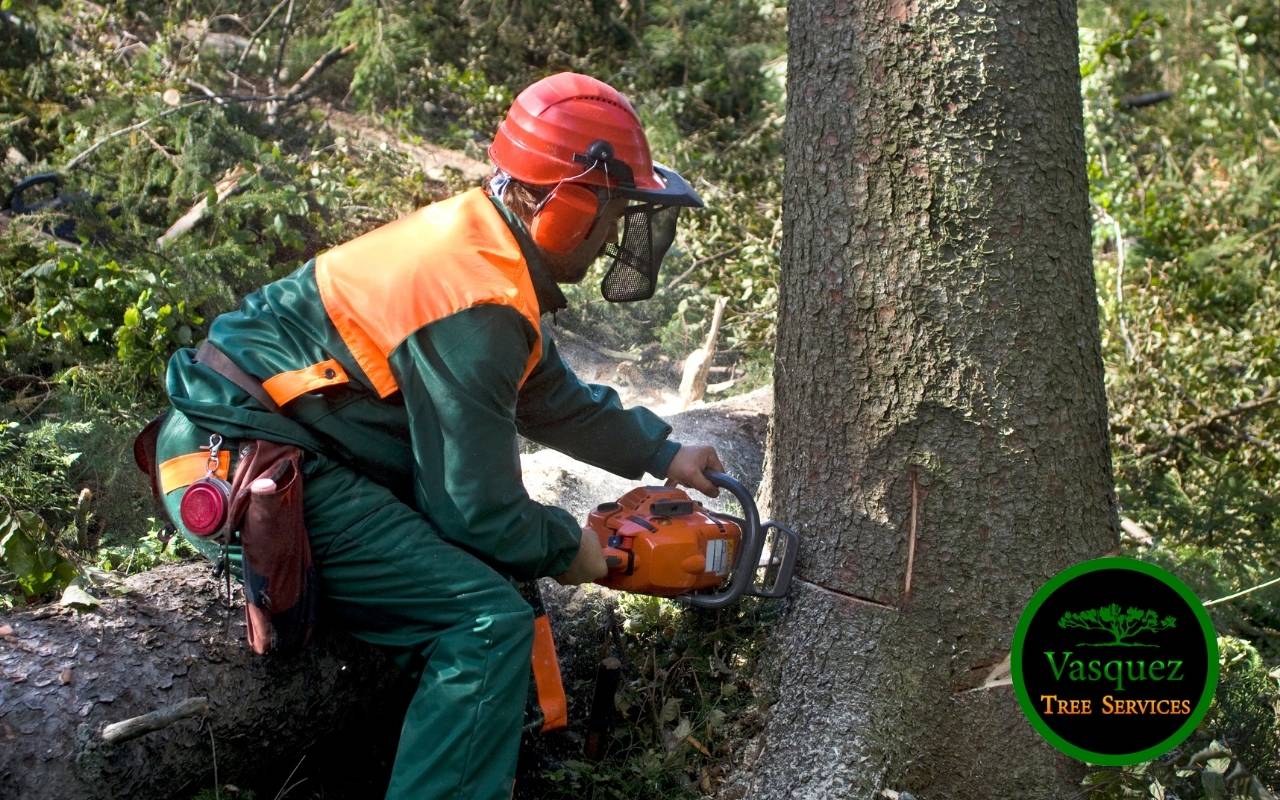
Tree removals, whether planned or urgent, demand strict safety measures. Professionals wear helmets, gloves, and protective clothing. Furthermore, clear communication prevents accidents. Crews secure work zones, often closing nearby roads temporarily. Equipment like cranes and chainsaws must be inspected daily. Rigging systems help lower heavy branches safely. A final site check ensures hazards are cleared, restoring safety for everyone.
Environmental Considerations in Emergency Tree Removal
Emergency tree removal services should balance safety with ecological care. Crews often check for wildlife before cutting. Work may be delayed to protect nesting birds. Salvaged wood is reused for mulch or firewood to reduce waste. Soil erosion control is also vital. For example, barriers like straw wattles minimize runoff. Meanwhile, local rules may require replanting with native species. This keeps the ecosystem resilient and supports biodiversity.
Differences in Tree Removal for Homeowners vs. City Officials
Homeowners usually address single-tree concerns near private property. They work directly with licensed arborists and handle permit applications. In contrast, city officials manage larger programs across parks and streets. Municipal crews often have pre-set contracts with certified vendors for emergencies. Ultimately, this ensures consistency in safety standards and speeds up urgent responses.
FAQs About Emergency Tree Removal
What qualifies as an emergency tree situation?
Situations where trees threaten property, utilities, or people, especially after storms, require emergency tree removal services.
Do I always need a permit for emergency removal?
In many AR municipalities, yes. However, rules may allow immediate action if public safety is endangered.
How fast can professionals respond to emergencies?
Certified crews often respond within hours, ensuring dangerous trees are managed before accidents occur.
Can damaged trees be saved instead of removed?
Sometimes. Arborists may recommend pruning, bracing, or soil treatments if the tree is not beyond repair.
Who should I contact for urgent removals?
Contact certified arborists immediately. For trusted help, visit our contact page to connect with local experts.
Proactive Tree Management Strategies
Proactive care prevents emergencies. Regular inspections by certified arborists help identify risks early. Preventive practices like pruning, cabling, and root aeration improve safety and longevity. In addition, community education encourages early reporting of issues. These strategies reduce costly emergencies and sustain vibrant urban canopies. Learn more about choosing tree services for your property.
Ensuring Safety and Beauty in Urban Areas
Emergency tree removal services protect both communities and landscapes. Recognizing hazard signs and acting early ensures fewer risks. Following permit rules and strict safety protocols maintains urban balance. With proactive planning and environmental awareness, cities can remain safe, green, and beautiful for generations. To explore safe removal practices, visit our guide on when to cut down your tree.



Trim Your Trees for Optimal Growth and Health