
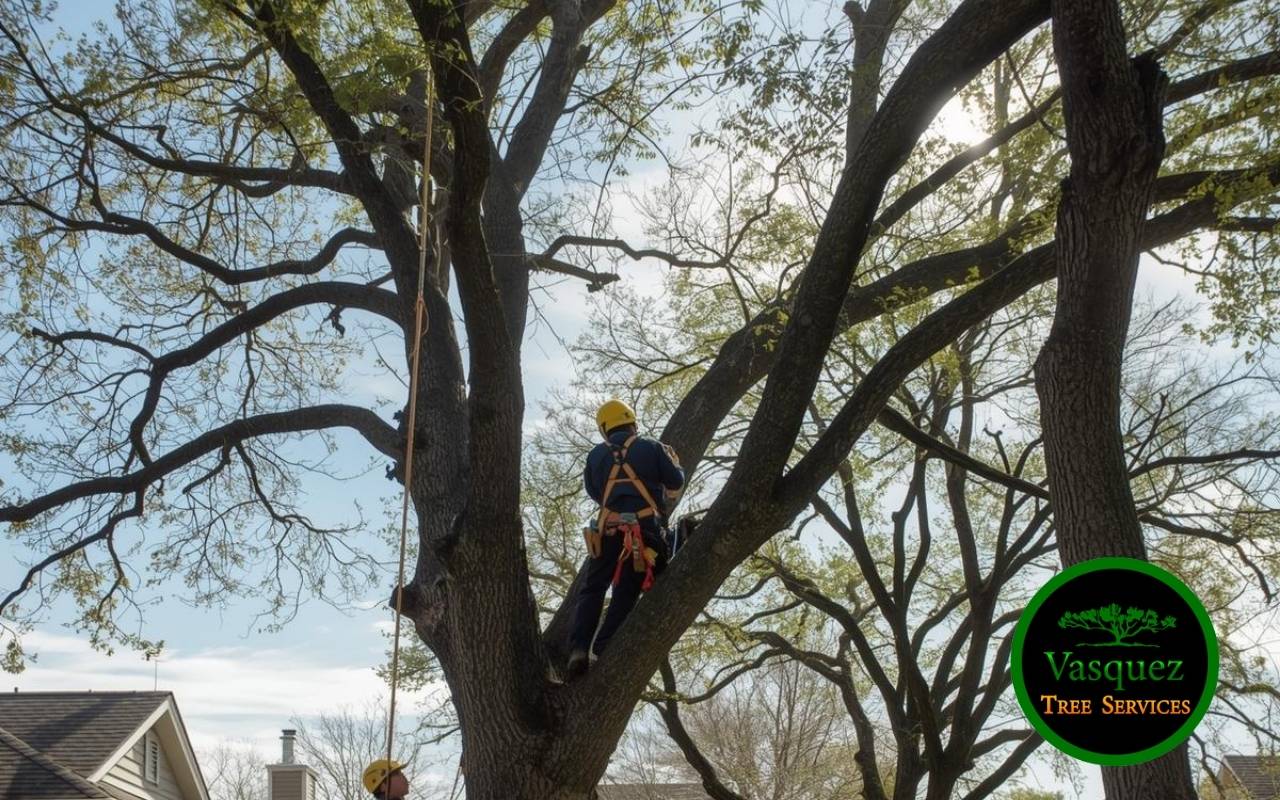
Essential Tree Trimming Tips For North Little Rock
Healthy, storm-resilient trees start with a clear plan. This guide distills essential tree trimming tips for North Little Rock into practical steps you can follow across the seasons, from choosing the right cuts to timing your work for local weather. Along the way, you’ll learn how seasonal tree trimming protects property, improves curb appeal, and supports long-term tree health.
Why trimming matters in North Little Rock
North Little Rock’s heat, humidity, and storm bursts can stress even hardy species. Strategic pruning improves airflow, reduces sail effect during high winds, and encourages strong scaffold branches. When you apply essential tree trimming tips for North Little Rock, you cut failure risks while shaping a canopy that lets light reach turf and beds.
Not sure when to start? Learn the signs a tree needs trimming so you can act before minor issues become hazards.
Seasonal tree trimming plan (North Little Rock)
- Winter (dormant): Ideal for structural work—visibility is best and sap flow is low. Prioritize dead, diseased, and crossing limbs. Also consider the best time to trim trees by species.
- Spring: Go light to avoid disrupting new flushes. Focus on storm damage cleanup and small corrective cuts. Keep an eye on pests as temperatures rise.
- Summer: Thin dense canopies to improve airflow and reduce heat stress. Water deeply after major pruning. Integrate seasonal tree trimming with your irrigation plan.
- Fall: Limit to safety-critical and deadwood removal. Avoid heavy shaping that could stimulate tender growth ahead of cold snaps. Set a recurring tree trimming schedule for next year.
Tools & safety basics
- Cutting tools: Bypass hand pruners (≤¾″), loppers (¾–1½″), and a sharp pruning saw for larger wood. Disinfect blades between trees.
- Access tools: Stable ladder or pole pruner for reach. Never overextend—reposition instead.
- Protection: Gloves, eye protection, hearing protection, and helmet when working aloft. Review this tree trimming safety equipment checklist before you begin.
- Work zone: Barricade the drop area, assign a spotter, and keep bystanders clear.
The right gear makes essential tree trimming tips for North Little Rock safer and more efficient, especially when handling tensioned limbs.
How to make clean, healthy cuts
Map your cuts from the ground before stepping onto a ladder. For limbs over 1½″, use the three-cut method: an undercut to stop tearing, a top cut to remove weight, and a final finish cut just outside the branch collar. Angle small cuts slightly so water sheds off the wound. Avoid flush cuts and stubs—both slow compartmentalization.
Common mistakes to avoid
- Over-pruning: Don’t remove more than ~25% of live crown in a single season.
- Topping: Never flat-top trees; it invites decay and weak regrowth.
- Wrong timing: Heavy spring cuts can starve new shoots; heavy fall cuts can push tender growth before cold snaps.
- Ignoring structure: Competing leaders and rubbing branches worsen with time—correct them early.
- DIY beyond limits: Large, high, or near-utility limbs call for a pro.
Avoid these pitfalls to keep essential tree trimming tips for North Little Rock from backfiring.
Frequently Asked Questions
How often should I schedule pruning?
Most landscape trees benefit from inspections every 6–12 months, with light corrective pruning as needed. Build an annual plan using this tree trimming schedule.
What are the first signs a tree needs attention?
Look for deadwood, crossing limbs, cracked crotches, fungal conks, and canopy asymmetry. See the full list of signs a tree needs trimming.
Is winter really the best time to prune?
For many species, yes—dormancy lowers stress and reveals structure. Species-specific nuances matter; check the best time to trim trees resource.
What safety gear is essential for homeowners?
Gloves, ANSI-rated eye protection, hearing protection for power tools, helmet when aloft, and stable footwear. Review the full tree trimming safety equipment checklist.
How does seasonal tree trimming help in our climate?
Seasonal tree trimming syncs work with growth cycles and weather, limiting stress, improving airflow, and reducing storm failures—key in North Little Rock’s heat and summer storms.
Aftercare: help your trees rebound
Post-prune, water deeply during dry spells, especially after summer thinning. Mulch 2–3 inches, keeping it a few inches off the trunk. Monitor wounds for pests or cankers and sanitize tools between trees. If you made many structural cuts, plan a light follow-up in the next dormant season.
Get professional help in North Little Rock
Big, high, or compromised limbs warrant a certified arborist. If you’re unsure where to start—or want a tailored plan—reach out now: Contact our North Little Rock arborists. Ready to put essential tree trimming tips for North Little Rock into action? A quick consultation can align timing, scope, and safety with your goals.



Trim Your Trees for Optimal Growth and Health