
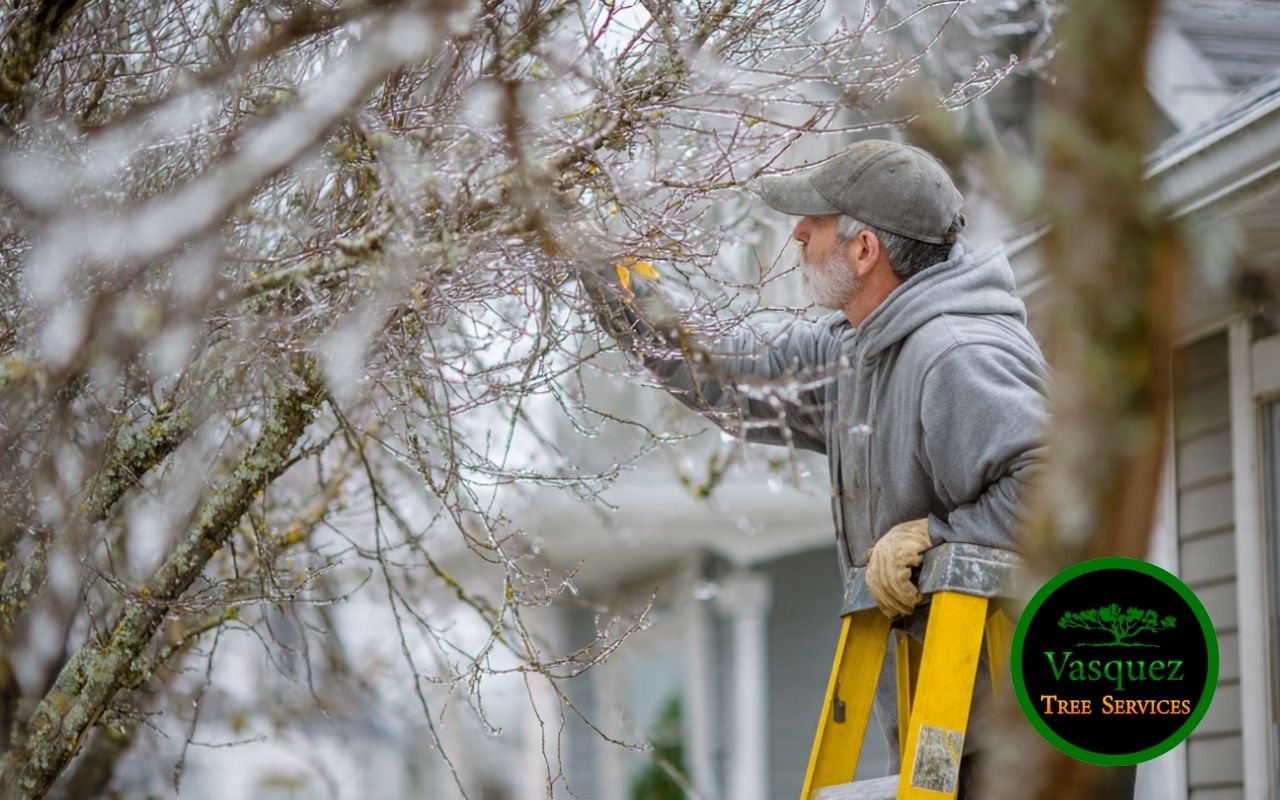
Protect Your Trees: Essential Ice Storm Prep Tips for Little Rock Residents
Ice Storm Tree Preparation in Little Rock helps you protect your trees before winter storms cover every branch with ice. When freezing rain hits, branches can snap and power lines can fall fast. With a little planning, you can keep your yard safer and reduce costly damage.
Whether you trim trees before storms, add sturdy supports, or create a simple emergency plan, every choice helps. These practical tips match Little Rock’s weather and boost your trees’ strength. As a result, your landscape can stay safer and recover faster after harsh winter ice.
Assessing Tree Health for Ice Storm Tree Preparation in Little Rock
Start by walking around your yard and giving each tree a slow, careful look. Watch for dead branches, cracked bark, or disease signs like fungus and oozing sap. These issues weaken the tree and make it easier for ice damage trees during strong winter storms.
Next, notice any leaning trunks or raised soil around the base. Leaning trees or loose roots may already be stressed and unstable. Also think about each tree’s age and species, because some, like maples and ashes, break more easily when ice builds up.
To stay organized, make a simple list that notes each tree’s condition and risk level. This quick record helps you focus on the trees that need care first.
- Mark trees with dead or cracked branches.
- Note leaning trunks or disturbed soil at the base.
- Record species that tend to snap under heavy ice.
Pre-Storm Pruning Techniques for Tree Strength
First, remove dead or weak branches that could easily snap under the weight of ice. Clearing these hazards keeps people and buildings safer and helps the tree focus energy on stronger limbs. Always use clean, sharp tools and cut near the branch collar so the wound can close more quickly.
Then, thin crowded parts of the canopy so wind and ice can move through more easily. By reducing extra foliage, you lower the surface where ice can gather. Concentrate on branches that cross, rub, or grow too close together.
Finally, aim for a balanced shape with one strong central leader and even limbs on each side. This structure spreads ice weight more evenly during storms. Done well, regular pruning becomes a key part of smart Ice Storm Tree Preparation in Little Rock.
- Remove dead, broken, or weak branches first.
- Thin dense areas so wind and ice can pass through.
- Shape the tree to keep a single, strong central leader.
Adding Support Systems for Vulnerable Tree Limbs
Begin by spotting limbs or trunks that carry heavy weight or show early splitting. Support systems like cabling and bracing help hold these parts in place when ice builds up. Installing them before storms arrive can prevent sudden breakage over roofs, driveways, or play areas.
Next, choose strong, weather-rated hardware. Steel cables should sit high in the canopy without cutting into the wood. Bolts or rods placed through the trunk or main limb can stabilize existing splits and extend the tree’s safe life.
However, support hardware is not a one-time task. Check cables and bolts at least once a year and after major storms. Replace rusted parts and tighten loose fittings to keep the system working well.
- Identify heavy limbs or visible splits early.
- Use high-quality, outdoor-rated cables and bolts.
- Schedule yearly inspections of all hardware.
Protecting Tree Trunks from Ice Damage
To guard trunks from cracking, wrap the lower section with a breathable insulating material. Use burlap or tree wrap and secure it loosely so the bark can breathe. This simple layer adds basic freeze protection and slows sudden temperature changes.
Then, consider a light coat of horticultural spray that helps repel moisture and reduce ice bonding. These products form a thin film on the bark, making it harder for ice to cling tightly. Always check the label and temperature guidelines before spraying.
Additionally, keep a 2–4 inch ring of organic mulch around the base to steady soil temperature. Mulch reduces frost depth and protects roots from extreme cold. Keep mulch a few inches away from the trunk so moisture does not cause rot.
Creating a Post-Ice Storm Maintenance Plan
After the ice has melted, carefully check your yard for fallen limbs and broken branches. Remove loose debris quickly to reduce pests and disease. Clear driveways, walkways, and entries first so people can move around safely.
Next, look closely at each tree for new cracks, splits, or leaning trunks caused by the storm. Mark damaged areas and decide which ones you can prune safely and which need a professional. When large limbs hang over homes or power lines, consider scheduling emergency tree removal in Little Rock to handle the risk.
Then, trim broken limbs with clean cuts and follow up with light fertilizing in early spring to support recovery. Make notes about what worked well and what failed during the storm. Over time, this review turns into a reliable guide for better Ice Storm Tree Preparation in Little Rock each winter.
Minimizing Ice Weight on Tree Branches
Whenever it is safe, gently loosen ice from smaller branches after a storm. Use a broom with soft bristles and sweep from the base outward. Never stand directly under heavy, icy limbs while you work.
Before the ground freezes, keep trees well watered. Moist soil supports flexible wood, while very dry trees become brittle and snap more easily under ice loads. Regular watering in fall helps roots store energy for winter.
Finally, some homeowners use anti-transpirant sprays that create a thin shield on leaves and twigs. This film can reduce how firmly ice sticks to surfaces. Always follow label directions and check that conditions are warm enough for safe use.
Ensuring Proper Drainage Around Tree Roots
Begin by checking the soil around each tree after rain. Standing water or soggy soil that drains slowly often points to poor drainage. When that water freezes, expanding ice can squeeze and damage fragile roots.
To improve conditions, mix in organic matter such as compost or shredded bark. These materials open up tight soil and improve airflow and water movement. Avoid piling extra soil against the trunk, which can trap moisture and invite decay.
If your yard has low spots, you may need simple trench drains or a dry well to redirect runoff. Better drainage protects roots all year long and prepares them to handle freezing temperatures and winter storms more successfully.
Emergency Tree Care and Safety Measures
First, create an emergency tree plan that lists contact numbers for local tree professionals and utility companies. Quick access to help is vital when heavy ice brings down branches or power lines. Share this list with family members so everyone knows who to call.
Then, keep basic safety tools ready, such as gloves, eye protection, and a pruning saw. If a large limb falls on your roof, fence, or car, do not climb or pull on it yourself. Instead, reach out to trained crews that offer 24/7 emergency tree removal services for dangerous situations.
Additionally, mark hazardous trees or hanging limbs with bright tape so crews can spot them quickly. Review your plan at the start of every winter and update contact information as needed. When you are ready to schedule help in advance, contact our Little Rock tree care team to discuss storm preparation options.
Utilizing Professional Tree Services for Comprehensive Protection
Working with certified arborists can take much of the guesswork out of Ice Storm Tree Preparation in Little Rock. Professionals bring the right tools, training, and safety gear to handle tall or risky trees. They can spot hidden decay, weak branch unions, and root problems that are easy to overlook.
Schedule an inspection before the season’s first hard freeze. During this visit, arborists can prune high branches safely, suggest helpful support systems, and recommend products suited to your yard. Their advice helps you plan realistic steps for the next big storm.
Finally, consider signing up for regular maintenance visits during storm season. Ongoing care keeps trees healthier from year to year and reduces surprise failures. With a trusted team on your side, you gain peace of mind every time freezing rain appears in the forecast.
Frequently Asked Questions
How early should I start getting my trees ready for winter ice?
Begin checking trees in early fall, before the first strong cold front arrives. This timing gives you several weeks to prune, add supports, and fix drainage. Starting early also makes it easier to schedule help from a tree professional before storm season gets busy.
Which types of trees in Little Rock are most likely to break in an ice storm?
Trees with fast, weak growth or brittle wood tend to suffer more damage. Maples, ashes, and some ornamental pears often lose branches first. Dense, top-heavy canopies are also more likely to split. A local arborist can point out high-risk species in your specific yard.
Can I safely prune my own trees before a storm?
You can usually handle small, low branches with proper tools and safety gear. However, branches near power lines, roofs, or over fifteen feet high are best left to professionals. Climbing with a saw in icy or wet conditions is dangerous and should always be avoided.
When should I call a professional after ice damage?
Call a tree expert when large limbs are cracked, hanging, or resting on buildings or wires. Sudden leaning, heaving soil, or deep trunk splits also need urgent attention. A trained crew can decide whether the tree can be saved or should be removed.
How often should I review my winter storm plan?
Review your storm plan at least once a year, ideally before winter begins. Update contact numbers, tool lists, and notes about which trees caused trouble last season. Regular reviews keep everyone in the household prepared and make responses calmer and quicker when storms hit.
Building Resilience for Little Rock Trees
By checking tree health, trimming wisely, adding support where needed, and protecting trunks and roots, you greatly lower the risk of serious storm damage. Clear plans for cleanup and emergencies help your family stay safer when winter weather turns rough.
Consistency matters. When you repeat these simple steps each year, Ice Storm Tree Preparation in Little Rock becomes a natural routine instead of a last-minute scramble. With thoughtful care, your trees can stay strong and your landscape can remain safer for many winters ahead.



Trim Your Trees for Optimal Growth and Health