
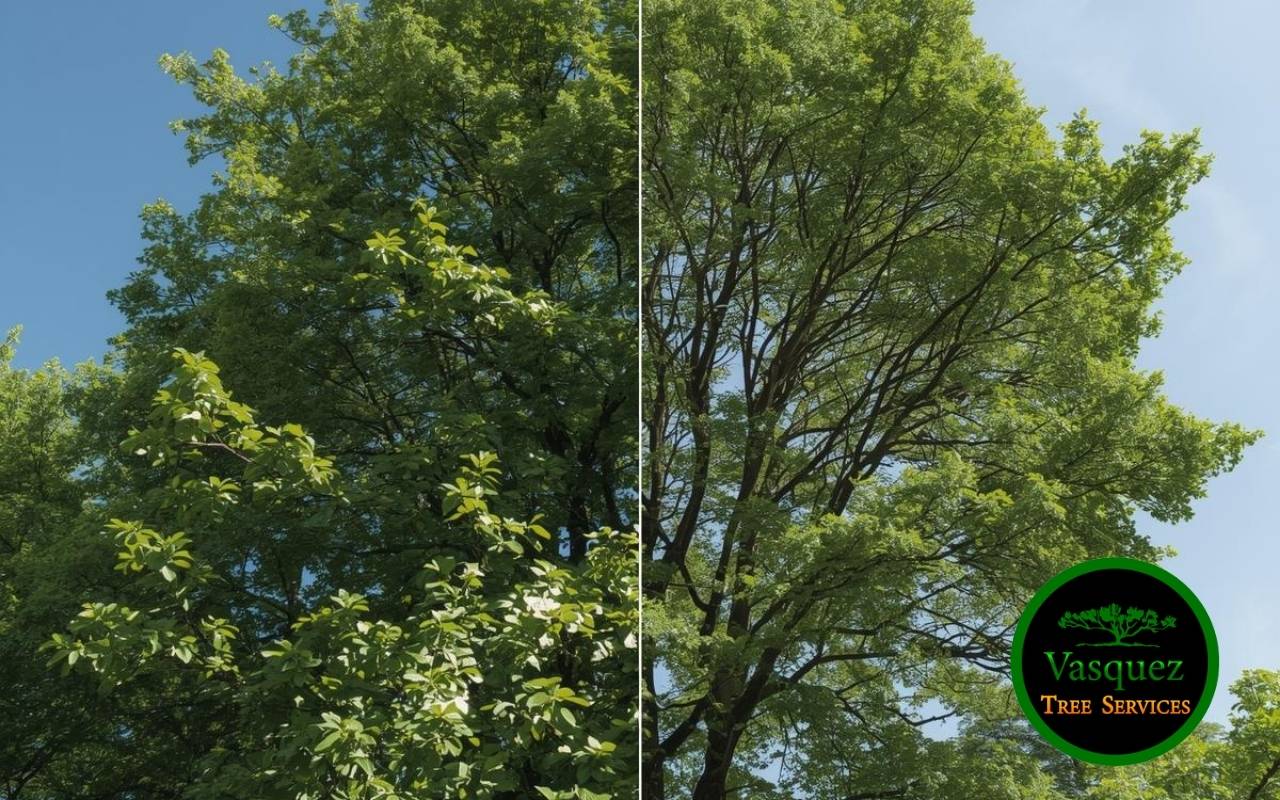
Tree Trimming Benefits: How to Grow a Greener, Healthier Yard
Discover the most impactful tree trimming benefits for your lawn, garden beds, and overall curb appeal. With thoughtful pruning and a reliable Tree Trimming Schedule, you’ll improve sunlight, airflow, safety, and long-term property value while nurturing a resilient landscape.
Why Tree Trimming Matters for Yard Health
Regular pruning clears dead, weak, or crossing limbs so healthy branches can thrive—one of the most practical tree trimming benefits you can implement. This improves light penetration and air movement, strengthens structure, and reduces hazards from failing limbs.
- Removes disease-prone wood before problems spread
- Improves canopy structure and reduces storm failure
- Boosts turf and understory vigor with better light
- Supports a balanced, low-maintenance landscape
Sunlight & Airflow: Pruning for Greener Growth
Selective thinning opens the canopy so rays reach shaded turf and beds—another essential among tree trimming benefits. Better airflow dries foliage faster, helping deter mildew and leaf spot while promoting even growth across your yard.
- Thin dense interior shoots (not the outer shell) to let light filter through
- Favor well-spaced scaffold branches for a balanced crown
- Preserve natural form—avoid over-lifting or “lion’s tailing”
Not sure when to start? Check the Best Time to Trim Trees to align timing with species needs and local climate.
Disease & Pest Prevention Starts at the Pruner
Removing deadwood eliminates entry points for fungi and borers. Clean cuts that preserve branch collars help trees compartmentalize wounds quickly—one of the most overlooked tree trimming benefits for long-term health.
While you prune, scan for early warning signs. If you notice cankers, frass, or dieback, address them promptly and review these Signs a Tree Needs Trimming to guide your next steps.
Safety & Storm Readiness
Strategic pruning reduces sail effect and removes weak attachments before high winds arrive—key tree trimming benefits that protect people and property.
- Eliminate hanging or cracked limbs over walkways and roofs
- Reduce end-weight on long, horizontal branches
- Maintain clearance from structures and utility drops
Always gear up properly. Review the essential Tree Trimming Safety Equipment before you start.
Property Value & Curb Appeal
Neat, well-structured canopies frame your home and signal diligent upkeep. Among the most visible tree trimming benefits, improved curb appeal can enhance perceived value and reduce buyer objections during inspections.
- Defined sightlines to entryways and architectural features
- Healthier turf and garden color where shade was excessive
- Lower long-term costs through preventive maintenance
How to Set a Tree Trimming Schedule
A practical, species-aware tree trimming schedule keeps maintenance light and consistent—delivering compounding tree trimming benefits year after year.
- Timing: Late winter to early spring for most species; verify the Best Time to Trim Trees.
- Frequency: Young trees—light shaping annually; mature trees—structural check every 2–3 years.
- Records: Log dates, targets, and outcomes in a simple app or notebook.
- Scope: Pair routine thinning with hazard checks before storm seasons.
- Help: For complex or high work, consult pros via your contact page.
Plan your cadence with this dedicated guide: Tree Trimming Schedule.
Frequently Asked Questions
What are the top tree trimming benefits for a typical suburban yard?
Healthier canopies, more sunlight for turf and beds, reduced storm risks, improved disease resistance, and stronger curb appeal.
How often should I follow my tree trimming schedule?
Light shaping yearly for young trees; structural assessments every 2–3 years for mature specimens—adjust by species and site conditions.
When is the best time to prune most trees?
Late winter to early spring for many species. Confirm specifics here: Best Time to Trim Trees.
What safety gear is essential for DIY pruning?
Helmet, eye and ear protection, gloves, chainsaw chaps, and non-slip boots. See the full list: Tree Trimming Safety Equipment.
How do I know a tree needs trimming now?
Look for rubbing limbs, deadwood, cracks, clearance issues, or pest activity. Review this guide: Signs a Tree Needs Trimming.
Unlock the Full Potential of Your Outdoor Space
By embracing documented tree trimming benefits and sticking to a personalized tree trimming schedule, you’ll protect your property, strengthen plant health, and create a thriving ecosystem that’s safer, greener, and easier to enjoy. For tailored recommendations or professional assistance, visit our contact page.



Trim Your Trees for Optimal Growth and Health